


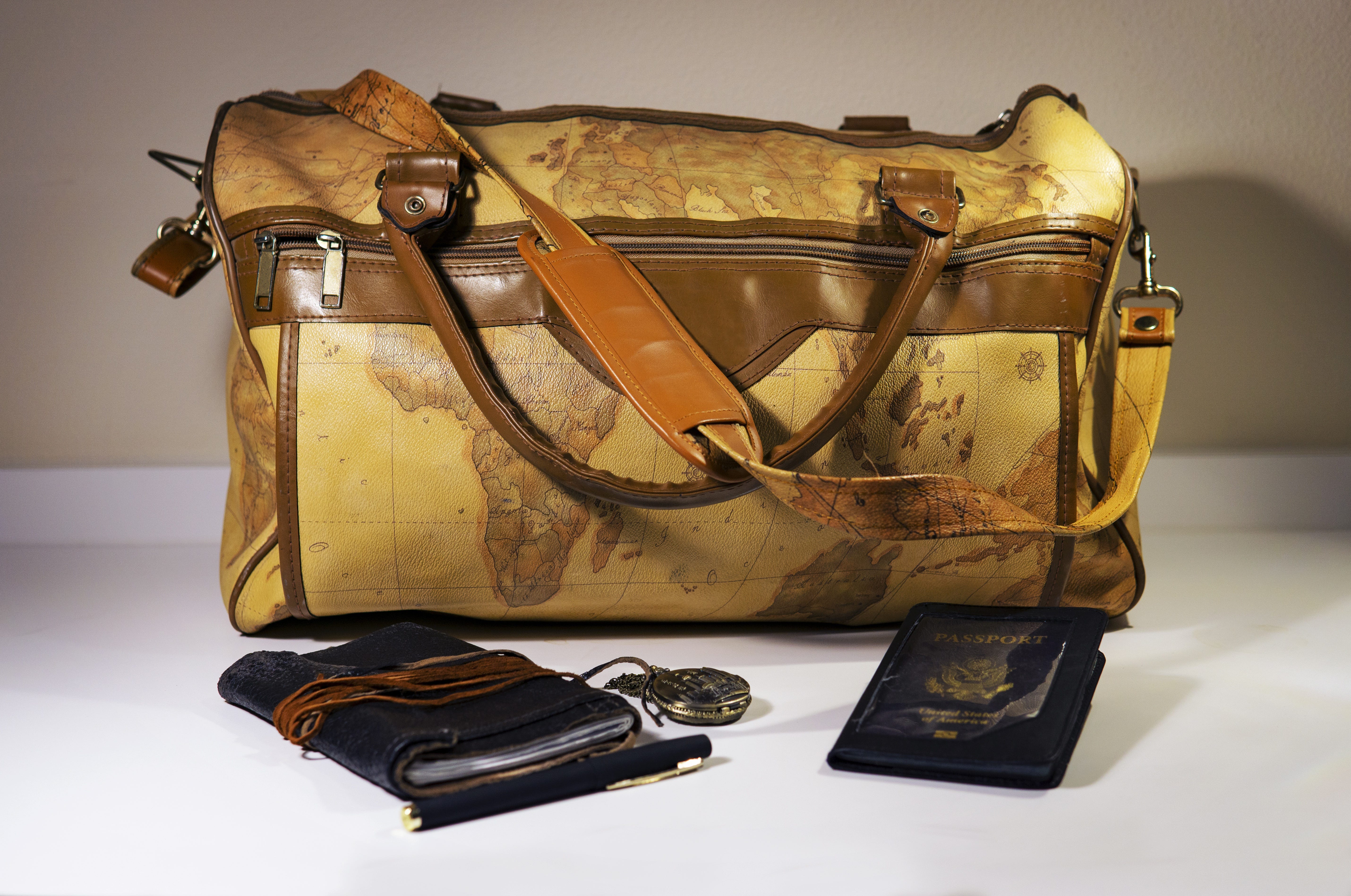
Travel writers used to be cool and mysterious. They had tribal connections, paid small bribes for access, and rode on jungle boats in the Amazon looking for lost treasure. Sometimes they dodged bullets in a mud hole. Other times they found a secret Shangri-La paradise out of pure luck.
Okay, a little over the top, maybe. But there’s some truth to the myth of the Indiana Jones-type travel journalist. Before the internet, these were people who sought disconnected adventure in khaki trousers and bucket hats, carrying a beat-up notebook and a keen sense of the boundary between adventure and danger, life and death.
We used to read about their far-away adventures in revered journals like National Geographic—journeys seemingly inaccessible to the common person. Expeditions too financially or logistically out of reach for the mere dreamers in suburbia. These were the intrepid, and they fully experienced their stories in distant lands: the hot and the cold environs, the uncomfortable, sweat-stained mattresses, the bug-swarmed tent lanterns, the glory, the mystery, and the misery altogether.
Experiencing deep travel always makes for the best adventure writing. The experience itself provides the plot, arc, climax, and conclusion. What wonders did you see? What surprises did you learn? How did you negotiate your way out of that tense situation with the locals? How did you talk your way onto a ride into the inner sanctum of someone else’s mysterious world?
Then came the internet and the resulting democratization and saturation of “destination marketing.” A few old-schoolers persisted and wrote for publications like Vice News or the early days of Slate and Matador. But the new fingertip access to geographic data was too powerful, and the travel genre became increasingly saturated with surface-level glossiness. Then came the listicles. Top 10 this, top 20 that, mostly written by people in home offices who had likely never been to these places.
Mobile tech enabled instant (i.e. Instagram) push-button content posting to the world, and the new “travel influencer” added an additional glossy sheen, smoothing over the grittiness that was traditional adventure travel journalism. This created a phenomenon: the popularity funnel. Stunning places became “Instafamous” and overrun with photo-op tourists wanting the selfie first and the experience second—people standing in lines to get the shot of a stunning overlook, careful to crop out the hundred other people standing by to create a false impression of remoteness and solitude. Then they post it to “the Gram” and feed the beast. They hope it goes viral, checking their engagement stats by the minute, and if it does, more people stream into the Instafamous funnel—people seeking to be in the picture they already saw, not venturing to find new secrets and different vantage points, not finding immersion, only seeking b-roll.
And now, there’s artificial intelligence. AI can remove the human from the equation altogether. Listicles previously compiled by deskbound humans are now created by the hundreds with a simple prompt to a synthetic super-brain. “Give me the ten best trails in every Western European country,” and in seconds you have a dozen or more posts ready to go, ready to feed the eternally hungry algorithms.
Feed the beast. More content, more speed, more data. Set the automation. It doesn’t even matter if the human behind the prompt knows the output—just get it out the door, get views, get watch time, get engagement…
But a snapback is happening. It turns out that many people have little patience for superficial AI slop. What was a novelty at first has turned into an annoyance, and it’s now shifting to simmering anger among the masses. The reason is simple: as consumers of adventure journalism, we want to live vicariously through the adventurer. We want to know that there was a human being swatting away those bugs, slogging through the muck, and standing on that stunning Irish sea cliff looking out over the North Atlantic. We want to know that the writer (or videographer or photographer) tasted and gutted that fried fish eyeball at the exotic food market.
People want their travel writing to be experienced and re-told by a human being. We are craving real stories again—stories told by the intrepid with ratty notebooks in hand. Travel, and especially adventure travel, is a human endeavor. If the storyteller didn’t drive the desert road or catch that elusive native trout, then the “story” is hollow. There’s no soul to it. No vibe. No authenticity.
We are craving authenticity in a world suddenly infested and inundated with soulless AI goop. And so, the pushback happening now is creating the beginning of a new golden age for travel writers, especially the more adventurous. A new generation of the intrepid is forming, paying homage to the trailblazers before humanity became enmeshed in the colossal digital web we created. We may use that connectedness to get our stories out, but we know that those stories must be experienced in the raw. We must go and feel that biting wind off the glacier, the spritz of warm saltwater over the reef, the flash of sun off the surf, and the uneasiness of a tent in bear country.
To tell the real travel stories, we must and will touch grass. Welcome to the new golden age of authentic travel journalism.